
Inquiry
Core Principles of the Electric Tank Vehicle
Time : Apr 11 2026
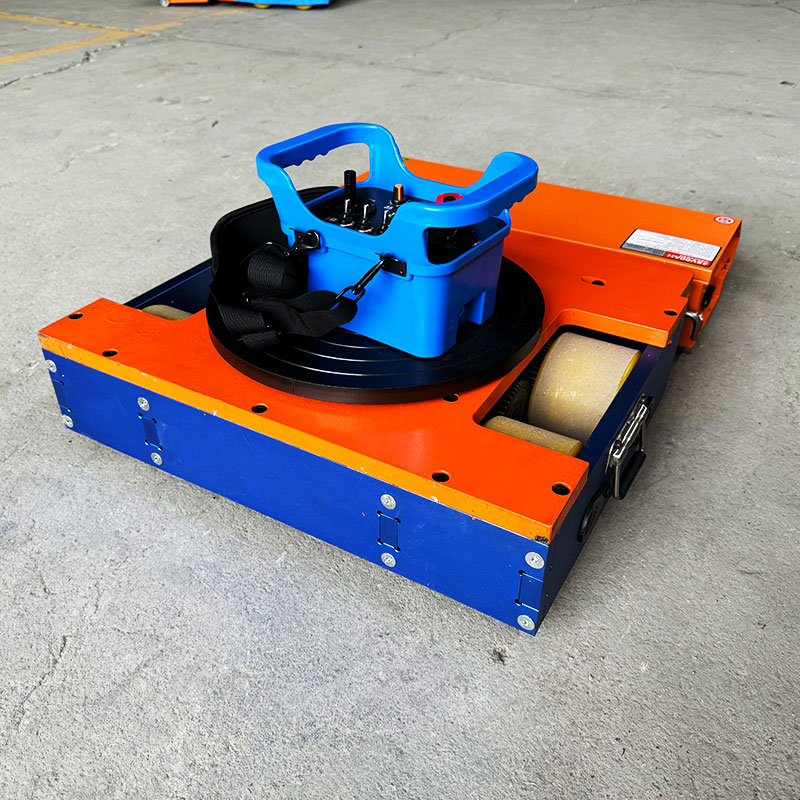
- Heavy-Duty Load Distribution PrincipleThe vehicle adopts a multi-axle, multi-wheel load-bearing structure to evenly distribute the 60-ton load across all wheel groups. This design reduces ground pressure, ensures stable running without chassis deformation, and protects workshop floors.
- Electric Drive & High-Torque Power PrinciplePowered by high-capacity lithium batteries, the vehicle uses permanent magnet synchronous motors to deliver strong low-speed torque. Torque is amplified through reduction gearboxes to provide sufficient traction for starting and moving under full load.
- Omnidirectional Movement & Steering PrincipleUsing independent steering wheels or specialized drive modules, the vehicle realizes 360° rotation, lateral movement, and in-place turning. It achieves flexible positioning without a large turning radius, ideal for confined industrial spaces.
- Closed-Loop Motion Control PrincipleThe electronic control system continuously monitors wheel speed and steering angle, automatically adjusting power distribution to maintain straight running, prevent sideslip, and ensure stable and accurate travel under heavy load.
- Wireless Remote Control PrincipleOperators control movement, speed, and steering via a wireless remote controller. The on-board controller receives and executes commands in real time, allowing operation from a safe distance and improving on-site safety.
- Intelligent Safety Protection PrincipleBuilt-in safety systems include overload detection, overcurrent protection, under-voltage protection, and emergency stop. When abnormal conditions are detected, the system limits power or shuts down automatically to avoid equipment damage and accidents.
Previous page:Already the first
Next page:Already the last
Related Posts
Online Message
GET IN TOUCH